
Meet The New Class Of Electeds Who Support Cannabis
2 min read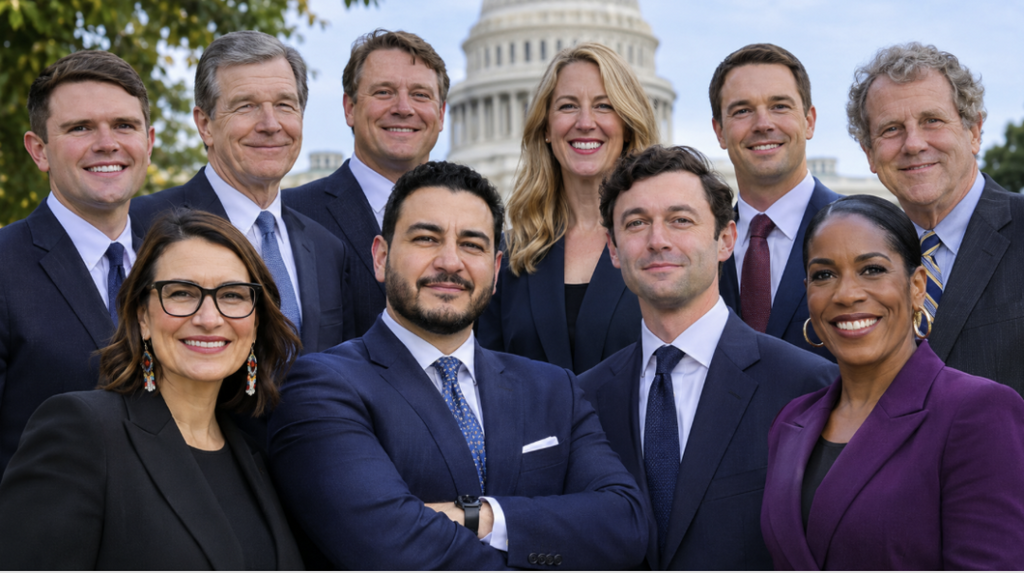
RELATED: President’s Support With Cannabis Consumers Crashes
Federal legislation is important, but some of the most immediate opportunities for cannabis reform may be coming from state capitols.
Several governors entering or continuing in office have made their positions clear.
Gina Hinojosa (Texas) supports adult-use legalization and a regulated market, and wants Texans to have a direct say in the state’s THC laws.
David Crowley (Wisconsin) has publicly endorsed full legalization. Wisconsin currently lacks both a comprehensive medical marijuana program and adult-use legalization.
Rob Sand (Iowa) has called for legalizing, taxing and regulating marijuana much like alcohol.
Cindy Holscher (Kansas) campaigned on legalization and has declared victory in a very close governor’s race. The final count is still being resolved.
Josh Shapiro (Pennsylvania) has repeatedly called for adult-use legalization and included anticipated cannabis tax revenue in his state budget proposals.
Josh Stein (North Carolina) supports regulating and taxing cannabis and established a state commission to examine how a legal framework could work.
Josh Green (Hawaii) has indicated he would likely sign an adult-use legalization bill addressing his concerns about regulation and implementation.
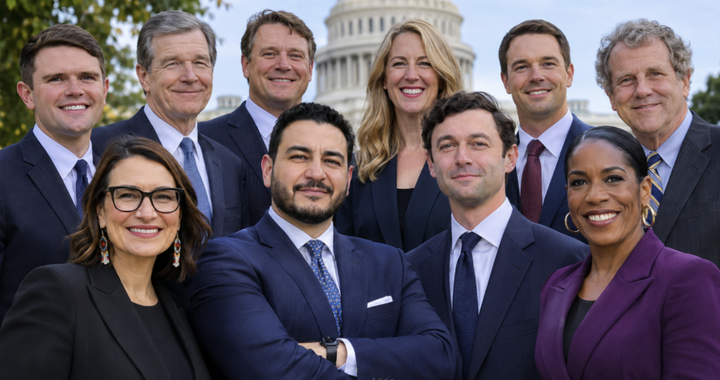
The new arrivals won’t be starting from scratch. Senators Cory Booker, Chuck Schumer and Ron Wyden have continued to push comprehensive federal legalization through the Cannabis Administration and Opportunity Act.
They are joined by Michael Bennet, Kirsten Gillibrand, John Hickenlooper, Ben Ray Luján, Alex Padilla, Gary Peters, Ed Markey, Jeff Merkley, Patty Murray, Elizabeth Warren, Peter Welch and Raphael Warnock, who have cosponsored the legislation.
RELATED: Guess Who Is Being Arrested For Marijuana
There is an established Senate group with an existing legislative blueprint, not simply a collection of politicians making campaign promises.
There is a lot to work with, but the challenge remains familiar. Even with Democrats controlling the House and Senate, most major Senate legislation needs 60 votes to overcome a filibuster. President Trump also retains veto power.
The new Congress could start with banking protections, medical research, veterans’ access, expungement and clearer federal rules for state-legal businesses. Those issues could attract bipartisan support even among lawmakers who aren’t ready to endorse full legalization.
For cannabis advocates, the bigger change may be marijuana is becoming a more ordinary part of political conversation. Texas has a senator-elect talking about working with the president on legalization. North Carolina has Roy Cooper bringing his record on pardons and decriminalization to the Senate. Wisconsin, Iowa and Texas have incoming governors who have openly discussed changing their states’ cannabis laws.
After years of waiting for Washington to catch up, the people arriving in January 2027 will have an opportunity to show whether all the talk can finally translate into legislation.
About The Author